Enfield Chase upholstery cleaning same day service: fast, careful help when your furniture can't wait
If your sofa has just met a coffee spill, a pet accident, or a mystery mark that appeared out of nowhere, waiting a week for help can feel like a very long time. That is exactly where Enfield Chase upholstery cleaning same day service becomes useful. It gives you a practical way to get fresh, professional cleaning quickly, without turning your home upside down for days. In a busy household, that matters. In a rental, even more so. And if you've got guests coming round this evening? Well, let's face it, that changes the mood fast.
This guide explains how same-day upholstery cleaning works, who it suits, what results to expect, and the common mistakes that can make a stain worse. You'll also find a checklist, a simple comparison table, and a few real-world pointers based on everyday situations rather than shiny marketing talk.
Why same-day upholstery cleaning matters in Enfield Chase
Upholstery is one of those parts of the home that quietly takes a beating. Sofas, armchairs, dining chairs, ottomans and footstools collect dust, body oils, crumbs, pet hair, drink splashes, and the occasional "how did that get there?" stain. The fabric may still look fine from a distance, but once a mark settles in, it can quickly become harder to remove. Same-day cleaning is valuable because it acts before dirt binds deeper into the fibres.
In practical terms, speed helps with three things: stain control, odour control, and peace of mind. A fresh spill on a light fabric, for example, is much easier to manage on the same day than after a weekend of drying and rubbing. If you've ever dabbed a mark with a kitchen towel and then watched it spread into a bigger halo, you already know the frustration. Fast action can stop that domino effect.
There's also a local reality to consider. Homes in Enfield Chase are varied: family houses, rented flats, long-term owner-occupied properties, and shared spaces where furniture gets used hard and often. Same-day upholstery cleaning suits that pace. It gives you a way to sort a problem before it starts affecting how you use the room. No one wants to avoid the living room sofa all evening because of a stain. Oddly common, though.
For deeper background on fabric care and the range of surfaces that can benefit from professional treatment, it can help to review the broader upholstery cleaning service and related fabric-specific options such as sofa cleaning and stain removal.
Expert summary: Same-day upholstery cleaning is most effective when you act quickly, identify the fabric type, avoid heavy DIY scrubbing, and choose a method suited to the fibre and the soil level.
How same-day upholstery cleaning works
Same-day service is not magic. It is a scheduling approach combined with a cleaning process that can be carried out efficiently without cutting corners. A good cleaner will usually start with a quick assessment: what the item is, what fabric it has, what caused the stain, and whether the piece has any care labels or visible wear that needs caution.
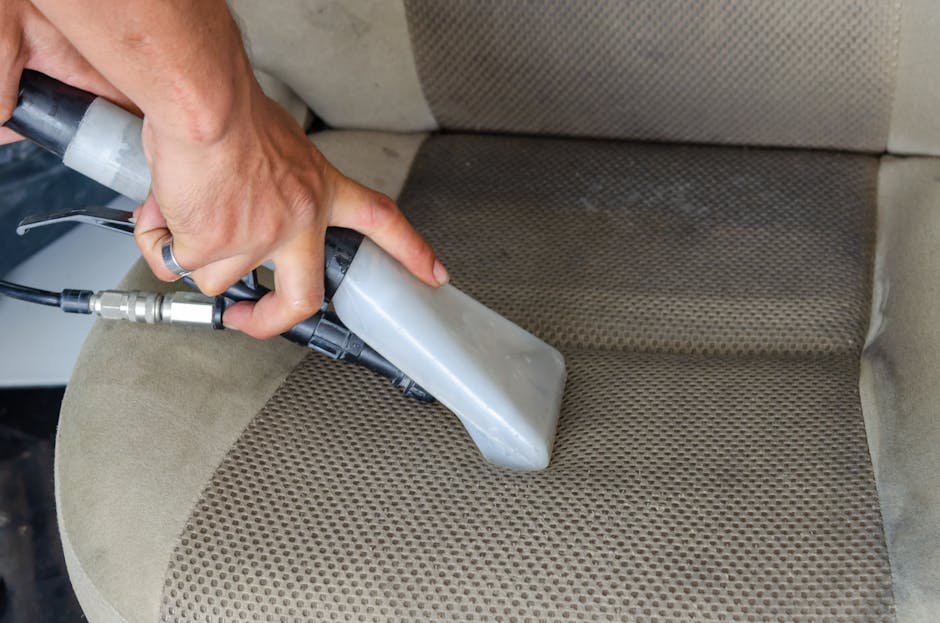
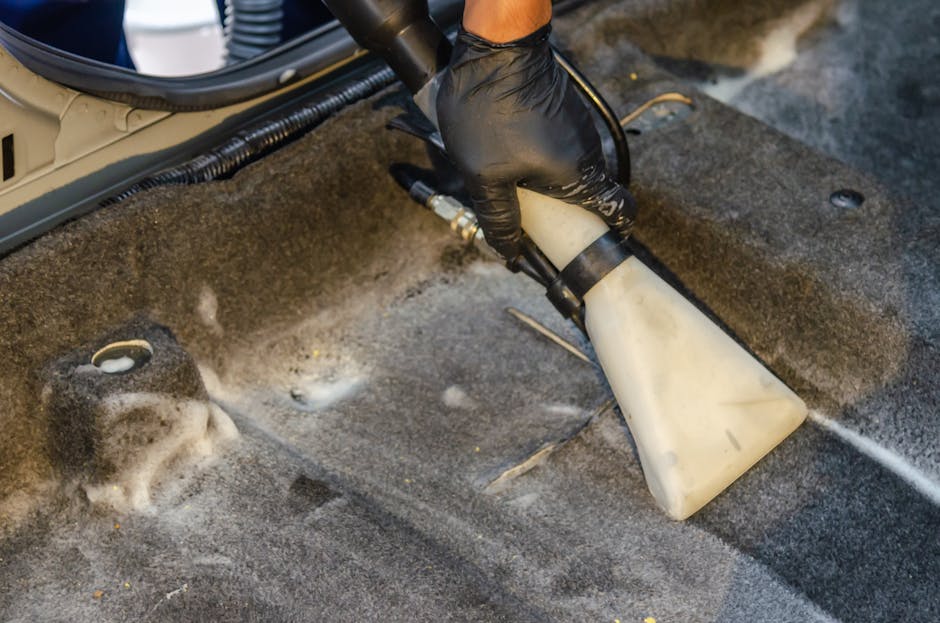
From there, the cleaning plan is chosen. In many homes, the process may include dry soil removal, targeted pre-treatment, a suitable extraction or low-moisture cleaning method, and careful finishing so the furniture dries as evenly as possible. Some fabrics need gentle agitation; others need a more careful spot treatment. The key point is that same-day does not mean "one-size-fits-all".
Here's the part people sometimes miss: a fast service still needs enough time to do the job properly. If a company promises instant results for every fabric and every stain without asking questions, be cautious. Real upholstery care depends on the material. Velvet, wool blends, synthetic fibres, leather-look fabrics, and older delicate pieces all behave differently. Truth be told, that's where experience earns its keep.
For homes that also need floor care or mixed fabric cleaning in the same visit, related services such as carpet cleaning, rug cleaning, or curtain cleaning may be worth considering if they fit the same appointment and the fabric types are compatible.
What typically happens during a same-day visit
- Initial inspection of the upholstery and the problem areas.
- Identification of fabric type, stain source, and any risk factors.
- Pre-treatment of visible marks and high-traffic areas.
- Cleaning using the safest suitable method for the material.
- Detail work on seams, arms, cushions, and creases where dirt hides.
- Final inspection and advice on drying and aftercare.
That's the basic shape of it. Simple on paper, more nuanced in real life.
Key benefits and practical advantages
Same-day upholstery cleaning is often chosen for speed, but speed is only part of the story. The real value comes from what fast, proper treatment prevents.
- Less chance of permanent staining: fresh marks are usually easier to lift before they settle.
- Better odour control: spills, pet accidents and food residues can leave lingering smells if left too long.
- More usable living space: you can get back to normal sooner, which matters in family homes and shared flats.
- Reduced stress before visitors or events: no more side-eyeing the sofa and hoping nobody notices.
- Useful for tenants and landlords: quick cleaning can support a tidier handover and a better first impression.
- Prevents over-wetting and DIY damage: a professional approach is often safer than random household products.
A quick cleaning response can also support longer fabric life. Dirt is abrasive. It sits in fibres and gets rubbed in every time someone sits down or shifts a cushion. Over time, that leads to dullness and wear. Fast treatment helps interrupt that cycle.
If you want a broader look at how different fabric treatments are managed, the site's steam carpet cleaning page offers a useful reference point for how moisture, heat, and extraction have to be balanced carefully on soft furnishings too.
Who this is for and when it makes sense
Not every upholstery issue needs an emergency response. But there are plenty of situations where same-day service is the sensible choice. If you're sitting there wondering whether it's over the top, ask yourself one question: will waiting make this harder to fix? If the answer is yes, same-day is probably worth it.
This service tends to suit:
- households with children, pets, or both;
- tenants preparing for inspections or end-of-tenancy checkouts;
- homeowners expecting guests at short notice;
- busy professionals who don't have time to nurse a stain for days;
- small offices or shared workspaces with upholstered chairs and reception seating;
- landlords and letting agents handling a quick turnaround.
It also makes sense if the mark is recent but troublesome: red wine, coffee, tea, food grease, makeup, ink, pet urine, or muddy footprints. These are not all equal, of course. Pet accidents and oily stains often need more care than plain surface dust. For odour-related problems, a dedicated pet stain and odour removal approach can be especially helpful.
On the other hand, if the upholstery is already badly worn, badly faded, or structurally damaged, cleaning may improve appearance but not restore the item fully. That distinction matters. A good cleaner should be honest about it.
Step-by-step guidance
If you want the best chance of a strong result, a little preparation helps. Not much. Just enough to make the visit smoother and to avoid accidental damage before the cleaner arrives.
- Check the stain as soon as possible. Blot, don't rub. Rubbing pushes the spill deeper and can rough up the fabric surface.
- Identify the item if you can. Note whether it's a sofa, dining chair, footstool, headboard, or office chair. The fabric may behave differently.
- Look for care labels. If there is a manufacturer tag or cleaning code, keep it visible. It can guide the method used.
- Move small items out of the way. Cushions, throws, toys, and loose clutter just slow the process down.
- Describe the problem clearly. Say what caused the stain, when it happened, and whether you already used any products on it. This matters more than people realise.
- Ask about drying time. You need to know when the furniture will be safe to use again, especially if it is a main seating area.
- Follow aftercare advice. Don't sit on damp fabric too soon, and don't pile cushions back on before the piece is properly dry.
Small note, but an important one: if you've already used supermarket cleaners, say so. Some residues can interfere with professional treatment. It's not a drama, just useful information.
Expert tips for better results
There's a lot you can do before and after a same-day visit that improves the final result. Nothing complicated. Mostly common sense, which is rarely glamorous but often effective.
- Act before the stain dries out fully. Fresh marks respond better than old, set-in ones.
- Avoid soaking the fabric. Too much water can spread a stain or leave a tide mark.
- Test any product on an unseen area first. This is basic, but people forget in the panic of the moment.
- Let the cleaner know about pets, allergies, or sensitivities. That helps with product selection and ventilation advice.
- Open windows where practical. Air movement helps drying, though in winter you may only need brief ventilation. No need to freeze the house for the sake of a chair.
- Protect freshly cleaned fabric from immediate use. Keep kids, pets and dark jeans off it for a bit if you can.
Another useful tip: take one photo of the stain before treatment. Not for social media, obviously. It just helps you judge the difference afterwards and gives a clean reference point if you need to discuss the result.
If your furniture is part of a larger refresh, it may be sensible to combine it with broader home cleaning services like mattress cleaning or sofa cleaning where appropriate, especially if the whole room feels a bit tired.
Common mistakes to avoid
The biggest upholstery mistakes are usually made in a rush. That's understandable. Nobody plans to spill curry on the armchair and then behave like a fabric scientist. Still, a few common errors can turn a small problem into a bigger one.
- Scrubbing hard: this can fray fibres, spread the stain and push debris deeper.
- Using too much detergent: residue attracts dirt later, so the sofa looks grubby again too quickly.
- Applying heat too soon: dryers, hairdryers and direct heat can set some stains permanently.
- Mixing random cleaning products: this is risky and can create discolouration or fumes.
- Ignoring the fabric type: what works on one material may damage another.
- Waiting too long: by the time the stain is "serious", it is often harder and slower to remove.
A useful rule of thumb: if a stain is spreading, smearing, or starting to smell, stop experimenting and get proper help. Every extra attempt can reduce the final result. A bit frustrating? Yes. But better to pause than to double the damage.
Tools, resources and recommendations
You do not need a cupboard full of gadgets to deal with upholstery properly. In fact, fewer improvised tools usually means fewer problems. What helps most is using the right approach and the right type of equipment for the fabric.
For homeowners, the most useful "tools" are often simple:
- clean white cloths or microfibre towels for blotting;
- a soft brush for light surface dust, used gently;
- plain water for careful blotting where appropriate;
- good ventilation to aid drying;
- a phone camera for documenting the problem before cleaning.
For professional work, equipment choice matters more: controlled extraction systems, suitable pre-sprays, fabric-safe spot treatments, and airflow management for drying. These are not things most households need to own, which is fair enough. A good service should bring what's needed.
When comparing providers, it also helps to look at the wider service information on pricing and quotes, plus the company's policies around payment and security, insurance and safety, and health and safety. These details are not exciting, admittedly, but they tell you a lot about how seriously a business treats its work.
Law, compliance and best practice
Upholstery cleaning is not a heavily regulated trade in the way some specialist fields are, but that does not mean standards are optional. In the UK, sensible best practice still matters: proper product handling, attention to safety, clear communication with customers, and care for the property being worked on.
For domestic and commercial settings alike, good practice usually includes:
- checking fabric suitability before applying moisture or chemicals;
- using products in line with manufacturer guidance where available;
- protecting occupants, pets, and nearby surfaces during treatment;
- avoiding over-wetting, which can lead to odour or shrinkage issues;
- being honest when a stain may lighten but not disappear completely.
For landlords, agents and business owners, keeping records of cleaning and maintenance can be sensible, even if the situation is straightforward. It can support due diligence and avoid awkward conversations later. Not glamorous, but useful. Very useful.
Trust is also part of the picture. A transparent provider should be comfortable explaining what method they will use, what drying time to expect, and what results are realistic. If they gloss over those basics, that's a warning sign. If you need commercial-scale support, the broader commercial carpet cleaning service page gives a sense of how professional cleaning standards can extend into workplaces and shared premises.
Options, methods and comparison table
Different upholstery problems need different approaches. Same-day service does not mean the same treatment every time. It usually means the cleaner can come quickly and choose the most suitable method on arrival.
| Method | Best for | Typical strengths | Watch-outs |
|---|---|---|---|
| Light spot treatment | Small fresh stains, isolated marks | Fast, targeted, minimal disturbance | May not suit deep or greasy stains |
| Low-moisture upholstery cleaning | Delicate fabrics, quicker drying needs | Reduced drying time, less risk of oversaturation | May need more than one pass for heavy soil |
| Extraction-based cleaning | General soil, traffic marks, tougher residue | Good soil removal, thorough finish | Drying time must be managed carefully |
| Odour-focused treatment | Pet accidents, lingering smells | Addresses source of smell, not just surface appearance | May require careful repeat treatment depending on severity |
For many homes, the best choice is a combination: pre-treatment plus a controlled clean, followed by specific attention to the problem area. That combination tends to outperform quick generic treatment. Not always, but often enough to matter.
Case study or real-world example
A common same-day request in Enfield Chase goes something like this: a family hosts relatives on Saturday afternoon, someone spills tea on a fabric sofa, and the mark has already started to darken by early evening. The homeowner tries blotting it, then adds a little too much water, then worries it has become permanent. Sound familiar?
In that kind of situation, the best outcome usually comes from stopping further DIY attempts and arranging a prompt visit. The cleaner inspects the fabric, confirms the stain source, checks whether the sofa has any care label instructions, and uses a treatment suited to the material rather than a generic all-purpose product. The visible mark usually improves, and the odour risk is handled before it sets in.
What matters most in examples like this is not dramatic before-and-after talk. It is timing and restraint. The cleaner does not need to "attack" the fabric. They need to work with it. You can almost hear the relief when the room no longer smells faintly of tea and panic, which is a very real smell, by the way.
If the same home also has a rug that took the brunt of foot traffic, pairing the appointment with rug cleaning can sometimes make the whole sitting area feel refreshed rather than just patch-fixed.
Practical checklist
Use this quick checklist before booking or during the lead-up to a same-day visit.
- Confirm the item type and fabric if possible.
- Take a photo of the stain or affected area.
- Note what caused the mark and when it happened.
- Stop using household sprays or detergents unless advised.
- Clear cushions, ornaments, and small items from the area.
- Ask how long drying is likely to take.
- Check whether the fabric needs special handling.
- Keep pets and children away from damp upholstery after cleaning.
- Follow any aftercare guidance without rushing the furniture back into service.
- Review practical service information if you want to understand the company better, including the about us page and the terms and conditions.
That last point may sound a bit administrative, but honestly, it helps. The smoother the expectations, the smoother the appointment.
Get a free quote today and see how much you can save.
Conclusion
Enfield Chase upholstery cleaning same day service is about more than speed. It is about protecting furniture, reducing stress, and making a fast-moving problem manageable before it becomes a lingering one. When handled properly, same-day cleaning can rescue a room from looking tired, keep odours from settling in, and give you back the comfort of your space with very little fuss.
The best results usually come from quick action, honest assessment, and a cleaning method matched to the fabric rather than guessed from the outside. Keep things simple, avoid the urge to scrub harder than necessary, and work with a provider who explains things clearly. That combination goes a long way.
And if all you really want is to sit back on a clean sofa again without thinking about the stain every five minutes, fair enough. That's a perfectly normal wish.
Choose the careful route, and your furniture will thank you for it.
Frequently Asked Questions
How quickly can same-day upholstery cleaning usually be arranged in Enfield Chase?
It depends on availability, the size of the job, and how much detail the furniture needs. In practice, same-day usually means the cleaning can be scheduled and completed on the same day if there is an open slot and the job is suitable.
Is same-day upholstery cleaning safe for delicate fabrics?
It can be, provided the fabric is assessed first and the correct method is used. Delicate materials need gentle handling, reduced moisture, and careful product selection. If in doubt, ask for a fabric-specific approach rather than a one-method-fits-all promise.
Will same-day cleaning remove every stain?
Not always. Fresh stains often improve dramatically, but older marks, dyes, ink, and heat-set stains may only lighten. A trustworthy cleaner should explain what is realistic before starting, not after.
How long does upholstery take to dry after cleaning?
Drying time varies by fabric, method, room ventilation, and how much soiling was treated. Low-moisture methods usually dry faster, while extraction-based cleaning may take longer. Your cleaner should give you a clear expectation for the item in front of them.
Can I use a supermarket upholstery cleaner before the appointment?
It is better to avoid it unless you know the product is suitable for the fabric and the stain. Wrong products can spread the mark, leave residue, or make professional treatment less effective. If you have already used something, tell the cleaner exactly what it was.
Is same-day upholstery cleaning good for pet accidents?
Yes, especially if done quickly. Pet accidents can leave both visible staining and lingering odour, so fast treatment matters. A more targeted approach may be needed for smell control, which is why professional pet stain and odour treatment is often helpful.
Can I book same-day cleaning for office chairs or commercial seating?
Often yes, as long as the schedule allows it and access is straightforward. Commercial seating can be cleaned on the same day if the site is ready and the upholstery type is suitable. For larger premises, planning ahead is still wise.
What should I do before the cleaner arrives?
Blot any fresh spill gently, avoid rubbing, move loose items out of the way, and share any important information about the stain or fabric. If possible, keep the care label handy. Small preparation makes a real difference.
Does fast upholstery cleaning cost more than a standard booking?
Sometimes same-day availability can affect pricing, but it depends on the provider, the size of the job, and the timing. The best approach is to ask for a clear quote and understand what is included rather than guessing.
Can same-day cleaning help with odours as well as stains?
Yes, if the smell is caused by surface contamination, spills, or pet-related residue. The source of the odour has to be treated properly, though. Simply masking the smell is not enough if you want a lasting result.
What if my upholstery has no care label?
That is fairly common, especially with older furniture. A good cleaner can still assess the fabric by looking at the weave, construction, and response of a small test area. It just means the process needs a bit more caution.
How do I know whether to clean the sofa or replace it?
If the problem is mainly staining, odour, or dullness, cleaning is usually worth trying first. If the frame is damaged, the fabric is torn, or the cushions have completely failed, replacement may make more sense. A sensible assessment should tell you which way to go.